
Short answer: both films are 8 millimeters wide, but they are two different formats that do not fit the same equipment. Super 8 has a frame about 50% larger (sharper image), much smaller perforations, and a wider center hole in the reel. Three quick checks and you will know exactly what you have.
Comparison table
| Regular 8 (Standard 8) | Super 8 | |
|---|---|---|
| Introduced | 1932 (Kodak) | 1965 (Kodak) |
| Frame size | Smaller | ~50% larger — sharper picture |
| Perforations | Large, rectangular, on the frame line | Much smaller, centered on each frame |
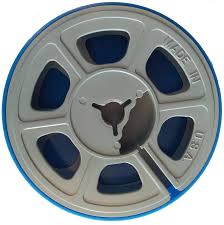
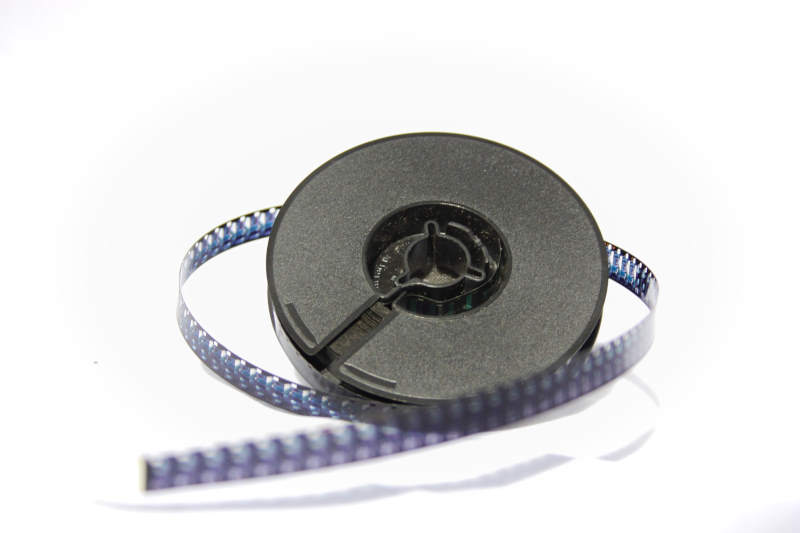
| Reel center hole | Narrow | Wider |
| Typical speed | 16 fps | 18 fps |
| Magnetic sound stripe | Very rare | Found on some films |
| Camera loading | Double-run spool flipped mid-shoot | Simple drop-in cartridge |
How to tell in three seconds
1 Edge perforations. Hold the film to the light: large rectangular holes sitting between frames = Regular 8. Small holes centered on each frame = Super 8.
2 Reel center hole. Narrow hole = Regular 8. Wide hole = Super 8. The fastest check when the film is wound.
3 Year it was filmed. Shot before 1965? It must be Regular 8. From the 1970s on — almost always Super 8.
Can you project Super 8 on a Regular 8 projector?
No. The projector sprockets match the perforation size and position, so each format needs its own projector. More important: do not project 50-70 year old film at all — dried celluloid tears easily and one hot-lamp pass can destroy frames forever. That is exactly why professional scanning uses no sprocket wheels.
What does this mean for digitization?
For our process — nothing changes: both formats are scanned on the same archival scanner (Filmfabriek Muller HDS+) frame by frame in 4K or 2K, including damaged-film handling and magnetic sound transfer. The only difference: the larger Super 8 frame yields even more detail.