
Converting Tapes and Film Yourself — The Honest Guide (and When Not To)
The short answer: Yes, you can convert at home — mainly video tapes and printed photos — under clear conditions: a working, clean player of the right format, a capture…

The short answer: Yes, you can convert at home — mainly video tapes and printed photos — under clear conditions: a working, clean player of the right format, a capture…

The short answer: The price of tape conversion in Israel depends less on "how many tapes" and more on what is done to each one: whether someone opened and inspected…
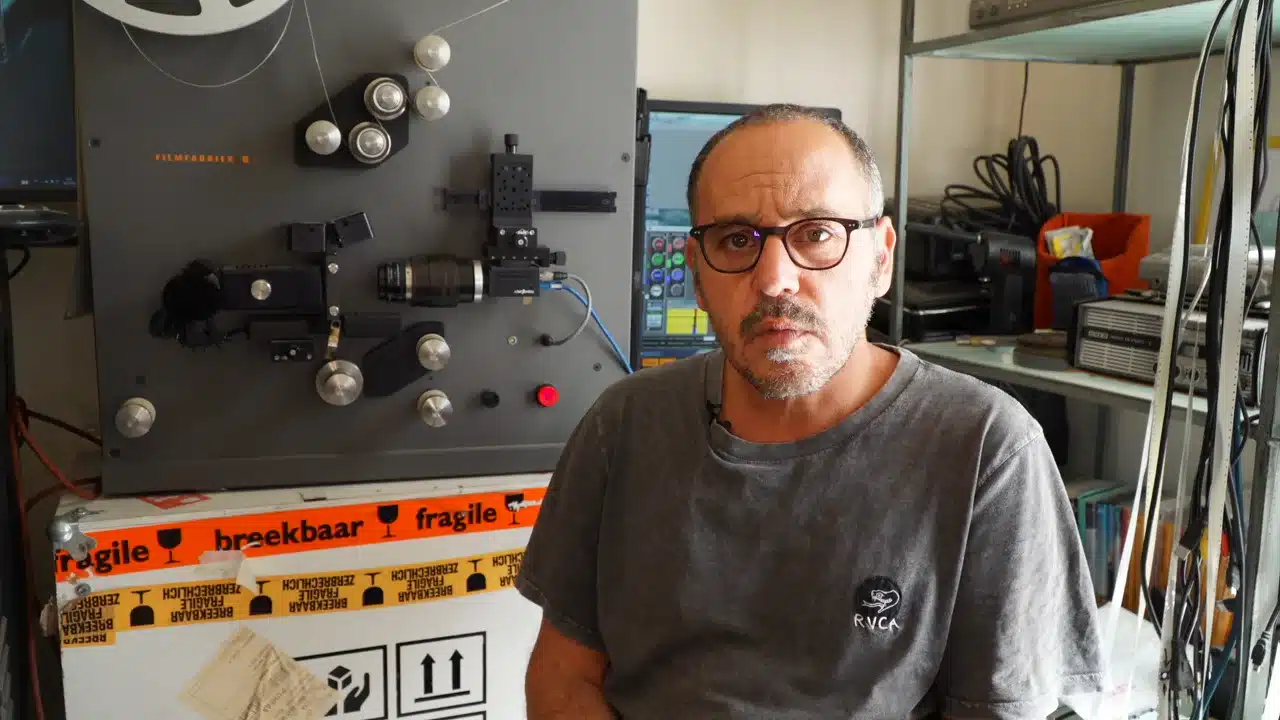
The short answer: The sit-in session is an open invitation to any customer with film reels: come to our studio in Rishon LeZion, sit beside our Filmfabriek Muller HDS+ scanner,…
The short answer: 3-2-1 backup means three copies of your files, on two kinds of media, one of them away from home. The original reel or tape is a single…

The short answer: For a few photos to share today, a phone app is fine. For a small pile, a home flatbed does a good job if you set at…
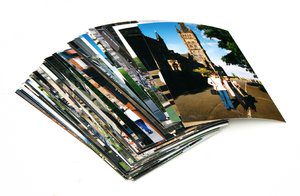
The short answer: Don't pull, don't wet, don't heat, and don't freeze at home. The gelatin layer that carries the image softens in humidity and bonds to glass, to the…

The short answer: There is no magnet. A "magnetic" album is a card page coated in strips of adhesive under a plastic sheet, usually PVC. Over the years the adhesive…

The short answer: Colour prints from the 1960s to the 1980s (the C-41 process) are the weakest link in the box: they fade and yellow even in a closed album,…
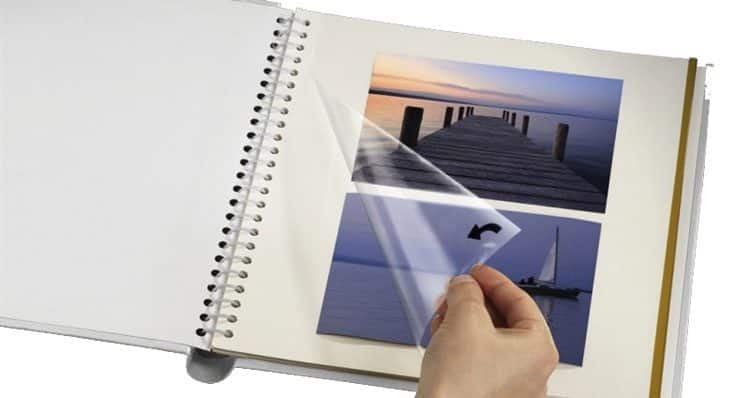
The short answer: You don't peel. A glued album is scanned page by page on an Epson V850 Pro flatbed with every photo left where it is, at 5.5 ₪…
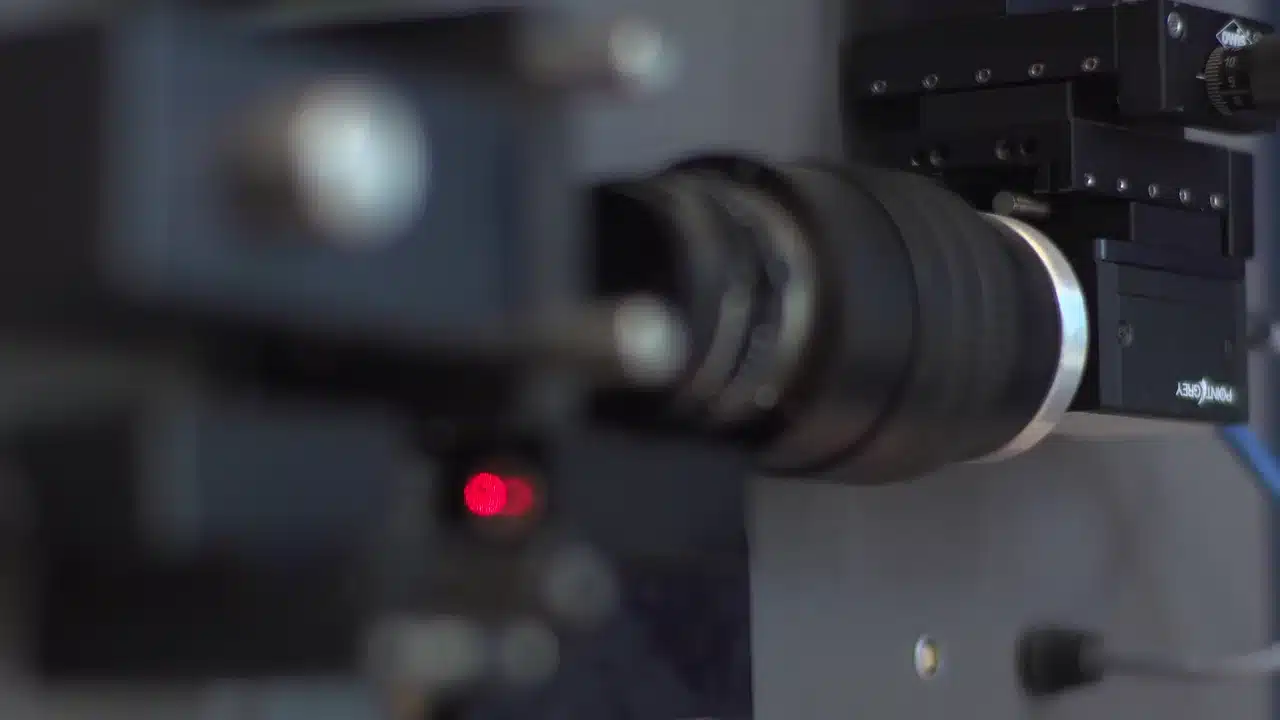
The short answer: Ask for two, not one. ProRes or MXF is your master: it keeps everything the scanner saw, is meant for editing and archiving, and is several times…